Copper slag for industrial sandblasting - High-quality export product from Pishgam Sayandeh Pars
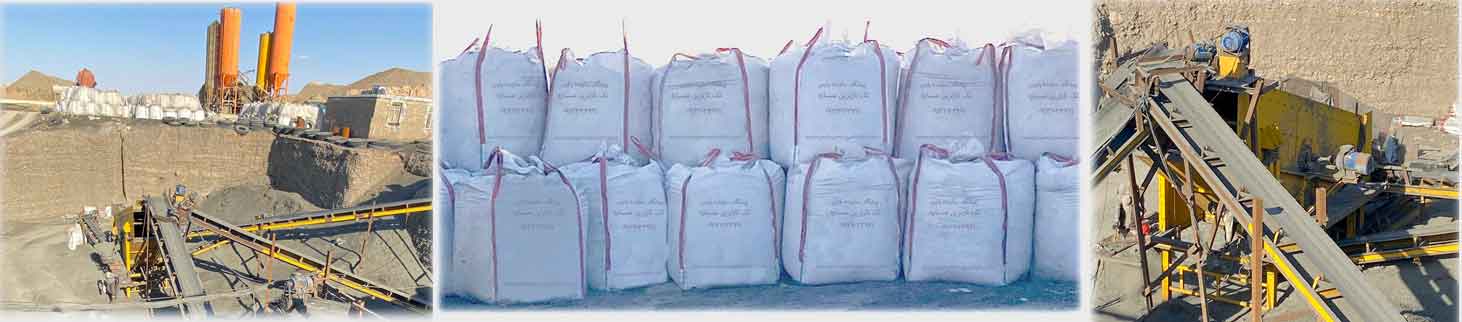
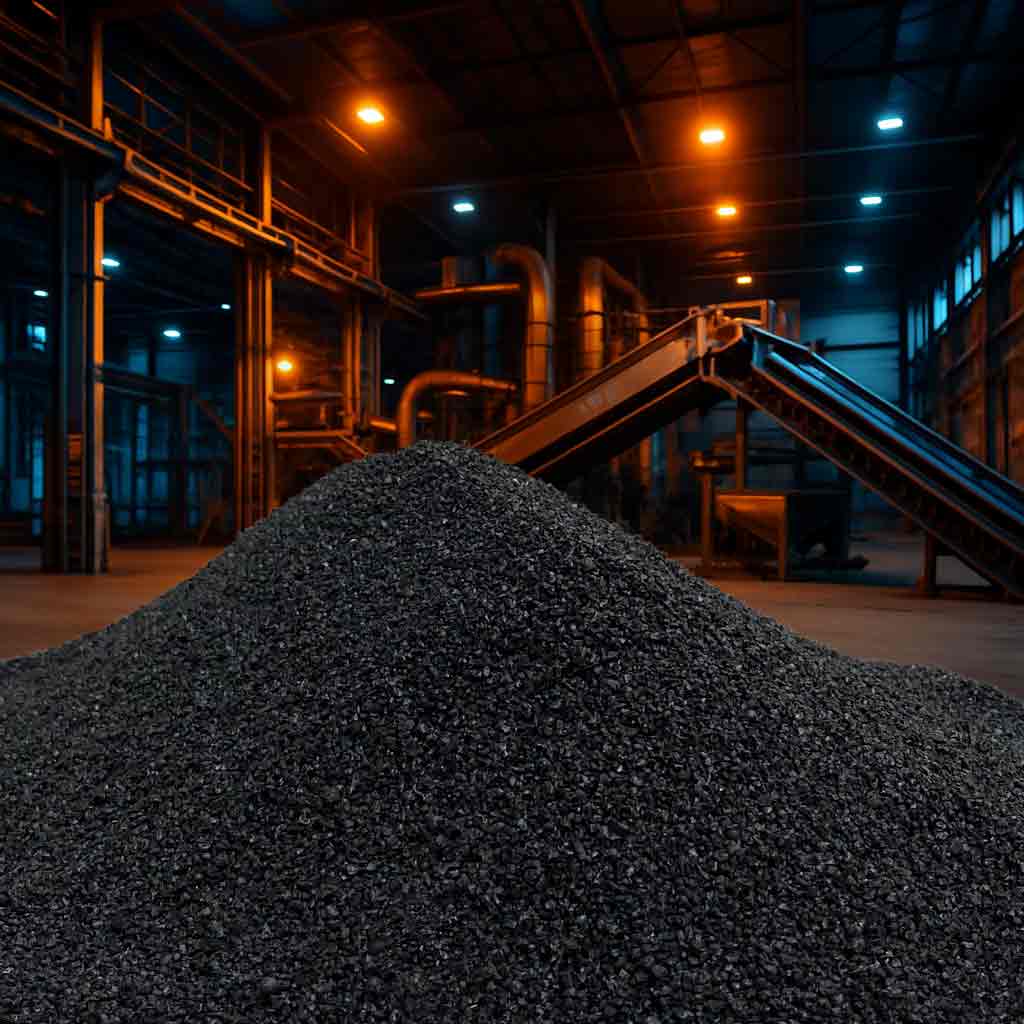
Copper slag crushing machine for producing high-quality copper slag

Premium Copper Slag Supplier & Industrial Sandblasting Media Exporter | ISO 11127-4 Certified

Pishgam Sayandeh Pars Co. is the premier copper slag manufacturer and industrial sandblasting media supplier in Iran and the Middle East. Established in Tehran on October 21, 2012 (Registration No. 429500) with National ID 14002915507, we are a certified member of the Tehran Chamber of Commerce, Industries, Mines, and Agriculture. As the leading copper slag supplier Iran, we specialize in high-quality industrial abrasives with <1% free silica content, making our products OSHA compliant and silicosis prevention certified. Our ISO 11127-4 certified and SSPC-AB1 Class Acopper slag is ideal for surface preparation, rust removal, and paint stripping applications. We offer competitive copper slag price with fast delivery across the Persian Gulf, Middle East, and worldwide. Our industrial sandblasting media is perfect for shipbuilding, oil & gas, construction, and steel fabrication industries. Trusted by 500+ companies worldwide for superior quality and reliability. For detailed technical specifications, chemical analysis reports, or competitive price quotes, please contact our expert team.

Types of abrasive packaging - Jumbo Bag and Sack

Copper Slag – ISO 11127-4 Certified Industrial Sandblasting Media

What is Copper Slag?

Copper slag is a premium industrial sandblasting media produced as a by-product during the electrolytic refining of copper. This high-performance copper slag is created when molten material from the electrolyte chamber is rapidly cooled in cold water, forming sharp, angular, black-colored grains with exceptional surface preparation capabilities. As the leading copper slag supplier Iran, our industrial abrasive is specifically engineered for large-scale metal surface sandblasting, rust removal, and paint stripping applications. With <1% free silica content and 6-7 Mohs hardness, our copper slag offers superior performance while ensuring worker safety and OSHA compliance.

Copper slag has become the preferred choice for industrial sandblasting operations worldwide due to its exceptional cleaning efficiency, safety profile, and cost-effectiveness. Unlike traditional silica sand which poses serious health risks, copper slag provides a safer alternative with minimal free silica content. Our ISO 11127-4 certified copper slag is ideal for shipbuilding, oil and gas pipeline maintenance, steel structure preparation, bridge rehabilitation, and heavy industrial applications requiring superior surface preparation before coating or painting.

Available in both glassy (shiny) and matte (dull) variants, copper slag offers versatility for different surface preparation requirements. The glassy phase copper slag provides superior cleaning performance with its sharp angular particles, while matte copper slag offers excellent cleaning efficiency with reduced reflectivity. Both types are available in multiple grain sizes ranging from fine (0.5-1.68mm) for delicate surfaces to coarse (2-3mm) for heavy-duty industrial applications.

Why Choose Our Copper Slag for Industrial Sandblasting?

#1 Safety Standards

Less than 1% free silica content eliminates silicosis risk. OSHA compliant and worker-safe abrasive media.

ISO 11127-4 Certified

International quality standards certification. SSPC-AB1 Class A compliance for industrial applications.

5x Reusable

Can be reused up to 5 times, making it 80% more cost-effective than single-use silica sand.

Global Supply

Trusted by 500+ companies worldwide. Fast delivery to Persian Gulf, Middle East, and global markets.
Copper slag particles – sharp, angular, black-colored grains for industrial sandblasting applications

Copper slag particles used in industrial sandblasting.

Copper Slag Benefits and Safety Standards

Our copper slag offers exceptional advantages over traditional sandblasting media. The most significant benefit is its ultra-low free silica content (<1%), making it a safer alternative to silica sand and eliminating silicosis risk in abrasive blasting operations. With a hardness of 6-7 on the Mohs scale, our industrial abrasive delivers superior performance in surface preparation, contaminant removal, and metal surface cleaning. This premium sandblasting media is ISO 11127-4 certified and meets SSPC-AB1 Class A standards, ensuring the highest quality and safety for industrial applications. Our copper slag is particularly effective for shipbuilding, pipeline maintenance, steel fabrication, and construction projects, offering cost-effective and environmentally friendlysurface preparation solutions.

Copper Slag Properties and Characteristics

Copper slag is characterized by its unique physical and chemical properties that make it ideal for industrial sandblasting. The material features angular particle shape with sharp edges that provide excellent surface profile creation and coating adhesion. With a specific gravity of 3.46 g/cm³, copper slag has higher density than traditional abrasives, resulting in better impact energy and cleaning efficiency. The black color of copper slag helps operators easily identify when surfaces are properly cleaned. Our copper slag maintains consistent particle size distribution and low moisture content (≤0.1%), ensuring optimal performance in abrasive blasting operations.

Technical Specifications of Copper Slag

Copper Slag Technical Data Sheet

Technical specifications of copper slag
Free Silica Content< 1%
Hardness (Mohs Scale)6 – 7
Grain ShapeAngular
ColorBlack
Standard ComplianceISO 11127-4, SSPC-AB1 (Class A)
Typical UseSurface preparation, rust removal, paint stripping, metal cleaning
ReusabilityUp to 5 times
ApplicationsShipbuilding, oil & gas, construction, steel fabrication

Copper Slag vs Traditional Abrasives - Why Choose Copper Slag?

Copper Slag Safety Advantages - Low Silica Content

  • Ultra-low free silica content (<1%) - Eliminates silicosis risk
  • OSHA compliant - Meets strict safety standards
  • Worker safety - Safer than traditional silica sand
  • Environmentally friendly - Sustainable industrial abrasive

Copper Slag Performance Benefits - High Hardness & Reusability

  • High hardness (6-7 Mohs) - Superior cleaning efficiency
  • Reusable up to 5 times - Cost-effective solution
  • Low dust emission - Better working environment
  • ISO 11127-4 certified - Quality guaranteed

As the leading copper slag supplier, we provide premium quality copper slag that delivers exceptional results in surface preparation, rust removal, and paint stripping applications. Our copper slag is the preferred choice for shipbuilding, oil & gas, construction, and steel fabrication industries.

Copper Slag vs Competitors - Superior Performance & Safety

FeatureOur Copper SlagSilica SandGarnetSteel Shot
Free Silica Content<1%>90%5-15%0%
Safety RatingExcellentPoorGoodExcellent
Hardness (Mohs)6-75-67-86-7
Reusability5x1x2-3x100x+
Cost EffectivenessExcellentPoorGoodExpensive
Dust GenerationLowHighMediumVery Low
Winner: Our copper slag offers the perfect balance of safety, performance, and cost-effectiveness, making it the #1 choice for industrial sandblasting applications.

Copper Slag Chemical Formula and Composition

Copper slag does not have a fixed chemical formula because it is a complex industrial by-product. However, it typically contains the following chemical components:

CompoundChemical FormulaApprox. Content (%)
Iron OxideFe2O355.74%
Silicon DioxideSiO232.34%
Aluminum OxideAl2O35.36%
Magnesium OxideMgO1.02%
OthersCaO, K2O, TiO2, ZnOTrace

Copper Slag Abrasive Applications - Industrial Uses and Benefits

Our premium copper slag is the preferred choice for industrial sandblasting across multiple sectors including oil & gas, shipbuilding, construction, steel fabrication, and pipeline maintenance. As a leading copper slag supplier Iran, we provide high-performance abrasive blasting media that delivers exceptional results in surface preparation and metal cleaning applications. Our industrial abrasive is favored for these superior physical and chemical properties:

Discover why our premium copper slag outperforms traditional sandblasting media in every aspect. As a leading copper slag supplier Iran, we provide superior industrial abrasive solutions that deliver better results in surface preparation and abrasive blasting applications:

Copper Slag vs Traditional Abrasives – Performance Comparison

FeatureCopper SlagTraditional Abrasives
Hardness (Mohs)6.0 – 6.55.0 – 6.0 (e.g., slags, sand)
Particle ShapeAngular, sharp edgesRounded or irregular
Cleaning EfficiencyHigh – fewer passes neededModerate – more effort required
Dust GenerationLow – cleaner work area High – more protective gear needed
RecyclabilityReusable up to 5 timesUsually 1–2 uses
Cost EfficiencyLower overall cost per projectHigher cumulative cost

Summary: Our premium copper slag offers superior hardness, exceptional surface preparation, and unmatched safety standards.

Copper Slag: Complete Guide to Properties, Applications, and Benefits

Production Statistics and Global Utilization

Global Production: Approximately 4.5 million tons of copper slag is produced annually worldwide. Despite this significant production volume, only 15-20% of copper slag is currently being utilized (as of 2015), with the remainder being disposed of as waste. This represents a substantial opportunity for waste reduction and resource optimization.

With only 15-20% of annual copper slag production currently being utilized, there is significant potential for expanded use in construction industry, development of new applications, improved processing techniques, enhanced environmental benefits, and cost reduction through waste valorization.

Environmental Benefits and Life Cycle Analysis

Research conducted by the School of Resources and Safety Engineering at Central South University in Changsha, China, has demonstrated that copper slag aggregate offers significant environmental advantages over traditional materials.

Environmental Benefits:

  • 13.95% lower total environmental impact compared to Portland cement
  • 46.5% reduction in abiotic depletion potential (ADP) - significantly reducing the consumption of non-renewable resources like fossil fuels
  • Lower global warming potential (GWP)
  • Reduced acidification potential (AP)
  • Lower eutrophication potential (EP)
  • Decreased photochemical oxidation potential (POP)

Sustainability Benefits:

  • Waste Reduction: Diverts millions of tons of material from landfills annually
  • Resource Conservation: Transforms industrial waste into valuable resource
  • Carbon Footprint Reduction: Lower carbon emissions compared to traditional Portland cement
  • Circular Economy: Promotes sustainable material use and waste valorization

Mechanical Properties of Copper Slag Aggregate

Studies by the Department of Civil Engineering at Parisutham Institute of Technology and Science have shown that copper slag significantly enhances concrete's mechanical properties:

Compressive Strength

  • 0% copper slag: 35.66 MPa
  • 100% copper slag: 48.76 MPa
  • 36.7% strength increase

Tensile Strength

  • 0% copper slag: 4.75 MPa
  • 100% copper slag: 8.64 MPa
  • 81.9% strength increase

Workability

  • 0% copper slag: 25mm slump
  • 100% copper slag: 82mm slump
  • 228% increase

This improved workability is attributed to copper slag's low water absorption rate of 0.16% compared to sand's 1.25% absorption rate.

Recommended Usage: While 100% replacement provides maximum strength, researchers recommend using up to 60% copper slag in sand mixes to prevent bleeding issues.

Construction Applications

Concrete Production

Copper slag serves as an effective partial replacement for sand in concrete production, offering enhanced compressive and tensile strength, improved workability, reduced environmental impact, and cost-effective material solution.

Road Construction

In Sweden, granulated copper slag from the Boliden copper smelter is used for road construction, providing insulating properties (prevents ground frost in winter), drainage capabilities, reduced construction depth, and primary material reduction.

Foundation Insulation

Granulated copper slag (<3 mm size fraction) is used as filler material in house foundations, insulating material in cold climates, and frost protection for building foundations. Numerous houses in the Skellefteå region utilize slag-insulated foundations, demonstrating the material's practical application in residential construction.

Gamma-Ray Shielding Applications

Copper slag's high density and atomic number make it ideal for radiation shielding applications:

  • 31% increase in linear attenuation coefficient when using heavyweight copper slag aggregates
  • Reduced half-value layer (HVL) thickness - Requires thinner walls for equivalent protection
  • Superior radiation shielding capability - Suitable for healthcare centers and nuclear facilities

Research shows that concrete mixes with 60% GGBFS (Ground Granulated Blast Furnace Slag) as cement replacement and 100% copper slag as fine aggregate replacement exhibit superior radiation shielding capability while satisfying strength requirements for structural applications.

Technical Specifications and ISO Standards

Copper slag blasting media is manufactured in compliance with ISO 11126-3:1993, which specifies requirements for non-metallic blast-cleaning abrasives, specifically copper refinery slag.

Physical Properties:

  • Water absorption: 0.16% (significantly lower than sand's 1.25%)
  • Particle shape: Angular granules (when water-quenched)
  • Size range: Granulated slag typically <3 mm for construction applications
  • Density: High-density material suitable for heavyweight concrete
  • Hardness: 6-7 Mohs scale
  • Free silica content: Less than 1%

Conclusion

Copper slag represents a valuable, underutilized resource with significant potential across multiple industries. Its superior mechanical properties, environmental benefits, and diverse applications make it an excellent alternative to traditional materials. As industries continue to prioritize sustainability and waste reduction, copper slag offers a practical solution that combines performance, environmental responsibility, and cost-effectiveness.

Whether used in grit blasting operations, concrete production, road construction, or radiation shielding, copper slag demonstrates its versatility and value as a sustainable material choice. By increasing utilization rates from the current 15-20% to higher levels, we can significantly reduce waste, lower environmental impact, and create more sustainable industrial processes.

Summary: Our premium copper slag offers superior hardness, exceptional surface preparation performance, and significantly reduced dust emissions compared to traditional sandblasting media. With <1% free silica content and OSHA compliance, our industrial abrasive provides silicosis prevention while delivering cost-effective and environmentally friendlyabrasive blasting solutions. The reusability factor makes it more economical and sustainable for long-term industrial applications.

Customer Success Stories - Copper Slag Abrasive Performance Reviews

"Pishgam Sayandeh Pars copper slag exceeded our expectations. The ISO 11127-4 certified quality and consistency are outstanding for our shipbuilding projects. The <1% free silica content ensures worker safety and OSHA compliance."

- Marine Engineering Co., Dubai

"The ultra-low silica content and high surface preparation efficiency make this industrial abrasive perfect for our pipeline maintenance operations. Superior rust removal and paint stripping performance."

- Oil & Gas Services Ltd., Qatar

"As a leading steel fabrication company, we rely on Pishgam Sayandeh Pars copper slag for metal surface sandblasting. The 6-7 Mohs hardness and angular particle shape deliver exceptional surface profile results."

- Steel Fabrication Industries, UAE

"The competitive copper slag price and reusability up to 5 times make this industrial sandblasting media highly cost-effective. Perfect for construction and surface preparation projects."

- Construction & Development Co., Saudi Arabia

Copper Slag Abrasive Industrial Applications and Solutions

Our copper slag is engineered for superior performance across diverse industrial applications. As a leading copper slag supplier Iran, we provide high-performance abrasive blasting media that meets the demanding requirements of modern surface preparation and metal cleaning operations.

Shipbuilding & Marine Applications

Our copper slag is ideal for ship hull cleaning and surface preparation. Perfect for marine applications with high corrosion resistance requirements. The 6-7 Mohs hardness ensures effective rust removal and paint stripping on marine structures.

Oil & Gas Pipeline Maintenance

Essential for pipeline maintenance and surface preparation. Our industrial abrasive meets strict industry standards for worker safety and performance. The <1% free silica content ensures OSHA compliance and silicosis prevention.

Construction & Steel Fabrication

Used for structural steel preparation and concrete surface treatment. Provides excellent adhesion for protective coatings. Our copper slag delivers superior surface profile results for construction projects and steel fabrication applications.

Key Benefits of Copper Slag Abrasive - Safety & Performance

Safety & Compliance

  • ✓ <1% Free Silica Content - Eliminates silicosis risk
  • ✓ OSHA Compliant - Meets all safety standards
  • ✓ ISO 11127-4 Certified - International quality assurance
  • ✓ SSPC-AB1 Class A - Premium classification

Performance & Efficiency

  • ✓ 6-7 Mohs Hardness - Superior cleaning power
  • ✓ Angular Particle Shape - Excellent surface profile
  • ✓ Reusable up to 5 Times - Cost-effective solution
  • ✓ Low Dust Emission - Cleaner work environment

Copper Slag vs Silica Sand Comparison: Which Abrasive is Better for Sandblasting?

Copper slag is an industrial abrasive made from copper smelting by-products. Unlike silica sand, which contains more than 90% free silica, the free silica content in copper slag is less than 1%. This feature eliminates the risk of silicosis and, due to its high hardness, increases cleaning speed in sandblasting. Copper slag has also become a popular choice due to its greater durability and better performance in various industrial environments. Learn more about copper slag applications and copper slag vs silica sand comparison.

Copper Slag vs Silica Sand Comparison Table - Sandblasting Performance

SpecificationCopper SlagSilica Sand
Free Silica ContentLess than 1%More than 90%
Silicosis RiskNoneHigh
Hardness (ISO-11127-4)HigherLower
Cleaning SpeedHighLower
Bulk Density3.3 g/cm³2.65 g/cm³
Number of UsesMultipleSingle Use
Dust EmissionLowHigh
Environmental ImpactLowerHigher

Copper Slag Abrasive Applications in Industrial Sectors

Shipbuilding Industry

Copper slag is extensively used in shipbuilding for hull cleaning, rust removal, and surface preparation before painting. Its high hardness and low silica content make it ideal for marine applications.

Oil & Gas Industry

Copper slag is perfect for pipeline cleaning, storage tank maintenance, and offshore platform surface preparation. Its durability and safety make it the preferred choice.

Construction & Steel

Copper slag is widely used in steel fabrication, bridge maintenance, and construction projects. Its angular shape provides excellent surface profile for coating adhesion.

Ready to Experience the #1 Copper Slag Abrasive?

Join 500+ companies worldwide who trust our superior copper slag for their industrial sandblasting needs. Get competitive pricing and expert technical support.

+98 21 4495 5587 | +98 912 202 3991 | export@pishgamsayandeh.com

Copper slag is the preferred abrasive for industrial sandblasting due to its superior performance, safety benefits, and cost-effectiveness. Learn more about copper slag applications, copper slag vs silica sand comparison, and copper slag technical specifications.

Copper Slag Abrasive Customer Reviews - 500+ Companies Trust Us

"Pishgam Sayandeh Pars copper slag has revolutionized our shipbuilding operations. The quality is exceptional and the safety benefits are outstanding."

JS
John Smith
Shipbuilding Manager, Dubai

"The cost-effectiveness of their copper slag is remarkable. We've reduced our abrasive costs by 60% while improving safety standards."

MA
Mohammed Al-Rashid
Operations Director, Qatar

"ISO 11127-4 certification and 1% free silica content give us complete confidence in worker safety. Excellent product quality and service."

RK
Robert Kim
Safety Manager, Singapore

Frequently Asked Questions about Copper Slag Abrasive

What is Copper Slag and how is it produced?

Copper slag is an industrial by-product created during the copper smelting process. When molten copper slag is rapidly cooled in water, it forms sharp, angular particles that are ideal for industrial sandblasting applications. Copper slag offers superior performance with less than 1% free silica content.

Why is Copper Slag better than traditional abrasives?

Copper slag offers several advantages: ultra-low free silica content (1%) eliminates silicosis risk, higher hardness 6-7 Mohs for better cleaning efficiency, lower dust generation, and reusability up to 5 times. Copper slag is also more environmentally friendly and cost-effective than traditional abrasives.

What industries use Copper Slag abrasive?

Copper slag is widely used in shipbuilding for hull cleaning, oil & gas industry for pipeline maintenance, construction for steel structure preparation, automotive for surface preparation, and manufacturing for equipment cleaning. Its versatility makes it suitable for various industrial applications.

Is Copper Slag abrasive safe for workers?

Yes, copper slag is much safer than traditional silica sand. With less than 1% free silica content, it eliminates the risk of silicosis. It's OSHA compliant and produces minimal dust, making it safer for workers in industrial sandblasting operations.

How many times can Copper Slag be reused?

Copper slag can be reused up to 5 times, making it highly cost-effective compared to single-use silica sand. This reusability significantly reduces overall project costs and environmental impact.

Frequently Asked Questions about Copper Slag vs Silica Sand Comparison

Why is using Copper Slag safer than Silica Sand?

Because the free silica content in Copper Slag is less than 1%, whereas in Silica Sand it is more than 90%, which can lead to silicosis.

Does using Copper Slag save costs?

Yes, due to its higher cleaning speed, less dust, and the ability to be reused multiple times, the overall sandblasting cost is reduced.

What advantage does Copper Slag have over Silica Sand in sandblasting?

The main advantage of Copper Slag is its higher hardness, faster cleaning speed, no harmful dust emission, and its ability to be reused multiple times.

Can Copper Slag be used multiple times?

Yes, due to the high durability of Copper Slag, it can be reused multiple times, whereas Silica Sand can only be used once.

Does using Copper Slag require specific safety equipment?

Yes, although it does not pose a silicosis risk, using a mask, gloves, and protective clothing is recommended to avoid direct contact.

Is Copper Slag compliant with international standards?

Yes, Copper Slag is produced according to international standards such as SSPC-AB1 and ISO-11126, and is used in many industrial projects.

Summary

Compared to Silica Sand, Copper Slag is a safer and more cost-effective choice in the sandblasting process due to its higher hardness, faster cleaning speed, lack of harmful dust, and reusability.

What are the types of abrasives and how are they used in industry?

Abrasives are essential materials in surface preparation, especially for industrial sandblasting. Among all options, Copper Slag Abrasive stands out as a globally recognized blasting abrasive due to its excellent cleaning performance, environmental safety, and full compliance with standards like SSPC-AB1 for surface preparation.

  • Copper Slag Grit Abrasive for Industrial Sandblasting

    Copper Slag Grit for Sandblasting

    Copper Slag abrasive is a high-performance blasting grit used extensively in industrial surface preparation. Known for its low silica content, high hardness, and low dust emission, it is ideal for steel surface cleaning, pipeline sandblasting, and marine coating removal. This slag abrasive meets international standards and is exported worldwide. Learn more on the product page.

    Learn More
  • Free Silica Hazard

    Why Free Silica in Abrasives is Dangerous

    Many abrasive sands, especially traditional types, contain over 90% free silica—posing serious health risks like silicosis. Our Copper Slag grit contains less than 1% free silica, making it a safer, compliant solution for industrial blasting. Discover how using Copper Slag can protect your team and improve project safety in our educational article.

    Learn More

Exporting Copper Slag Abrasive: Logistics, Contracts, and Global Shipping

Copper Slag abrasive is a globally trusted product for industrial surface preparation. Exporting this high-quality abrasive involves detailed knowledge of international trade contracts, customs regulations, and efficient logistics management.

Our export services are designed to ensure safe packaging, reliable transportation, and timely delivery to clients worldwide. We provide full support on documentation, shipping methods, and compliance with international standards to make the export process seamless and hassle-free.

For detailed information about export procedures, contract terms, shipping schedules, and how to place orders for global delivery, visit our dedicated Export page.

What is Sandblasting and What Equipment is Needed for Sandblasting

Among the various methods available for preparing the surface of components, sandblasting has gained significant attention. In this process, particles of abrasive are sprayed onto the surface of the component by a fast stream of air, free of moisture and contaminants, through a sandblasting nozzle. In addition to the type of abrasive and its appropriate granulation, which is crucial in creating a standard and suitable surface for preparing before applying paint coatings, the choice of standard sandblasting equipment and painting equipment is also vital in applying the coatings.

Equipment Used for Sandblasting with Abrasive Media

Introduction to the main and specialized components required for high-quality sandblasting operations using abrasive media.

1.

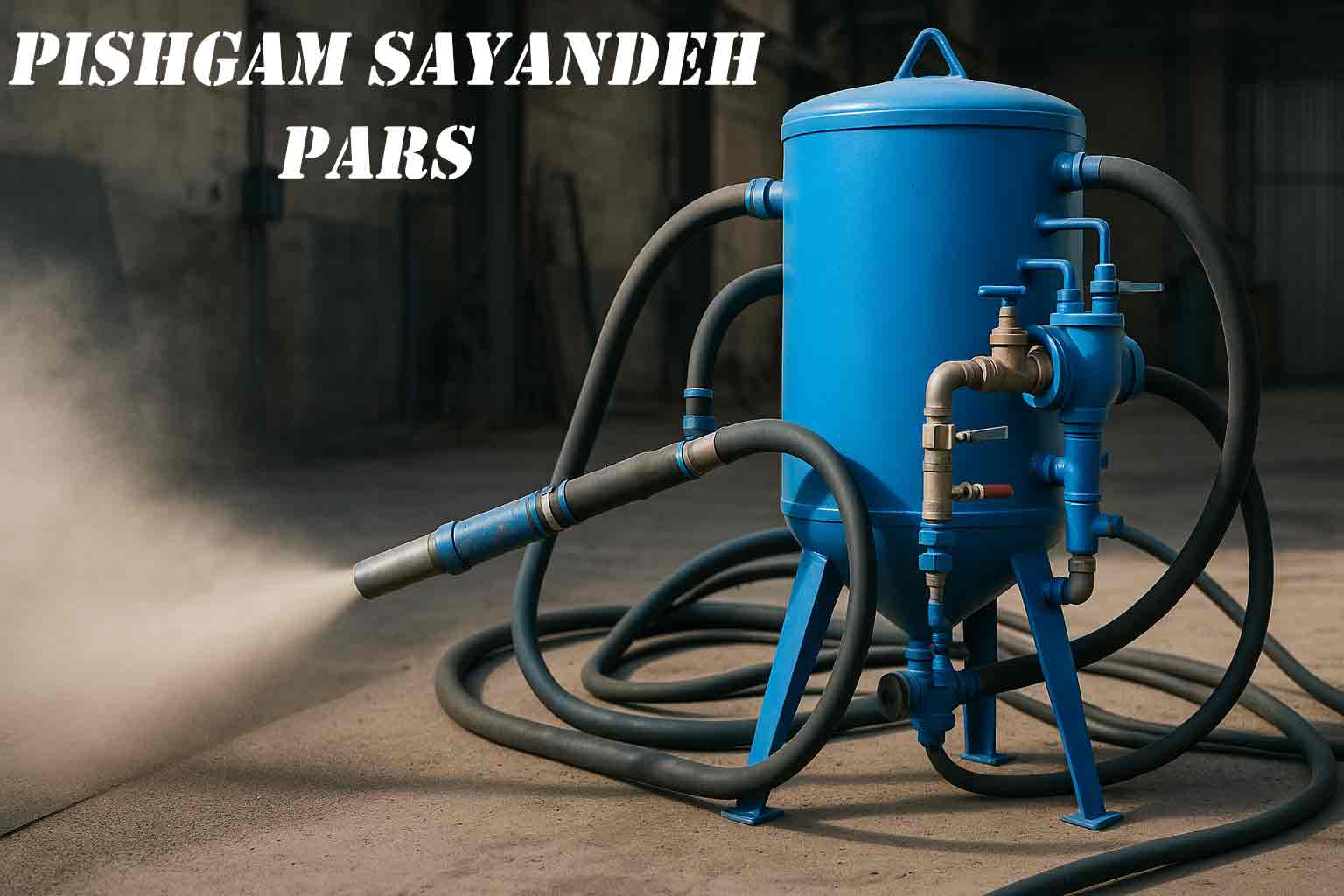
300 to 350 Kg Sandblasting Pot with Conical Bottom

One of the main components in the sandblasting process is the 300 to 350 Kg Sandblasting pot. These pots, due to their conical bottom design, allow for easier discharge of abrasives and increase the efficiency of the operation.

2.

Sandblasting Hose and 1 1/4 Inch Fittings

The transfer of air and abrasive materials to the nozzle requires high-quality and durable hoses. Among them, the 1 1/4 inch Sandblasting hose is a common option that ensures a uniform flow of air and abrasive.

Additionally, the 1-inch Sandblasting hose, 80 cm long, is used alongside the sandblasting pot for short-range and precise connections.

To establish a secure connection between the hose and the pot, the use of durable metal Sandblasting couplings and fittings is essential. These fittings play a crucial role in preventing air leakage and maintaining the proper pressure in the system.

3.

Metal and Rubber Sandblasting Nozzles

When choosing a nozzle, it is important to consider the type of abrasive and the working pressure. The metal Sandblasting nozzles, size 8 and size 10 are among the most commonly used types, designed for precise abrasive spraying operations.

Additionally, the rubber or brown Sandblasting nozzle, due to its high resistance to wear, is an excellent choice for heavy-duty working environments.

4.

Fine and Coarse Sandblasting Thread Holder

To install the nozzle on the hose, the coarse Sandblasting thread holder is used, and for connecting the sandblasting hose to the sandblasting pot, the fine Sandblasting thread holder is used. These components enable quick and safe replacement of nozzles and sandblasting hoses, playing a crucial role in maintaining the continuous performance of the equipment.

5.

Conical Cap for Sealing the Pressure Inside the Sandblasting Pot

The conical cap of the Sandblasting pot is a vital component for maintaining the safety and proper functioning of the pressurized system. With its unique design, it helps to completely seal the top of the pot, preventing air leaks and pressure drop during the Sandblasting operation. Using a high-quality conical cap extends the pot's service life and improves work efficiency.

6.

Couplings and Metal Fittings for Connecting the Air Hose to the Sandblasting Pot

Couplings and metal fittings are essential components in the Sandblasting system, responsible for securely and durably connecting hoses to the sandblasting pot and compressed air lines. These fittings, designed to withstand high pressure, prevent air leaks and ensure the uniform transfer of abrasives and air. Choosing high-quality couplings not only enhances safety but also reduces pressure drop and improves the overall system performance.

7.

1-Inch 80 cm Hose Next to the Sandblasting Pot

The 1-inch hose, 80 cm in length, is an essential and close connection next to the Sandblasting pot, typically used for quickly and directly transferring compressed air to the Sandblasting pot. These hoses, designed to withstand high pressure and offer adequate flexibility, are highly practical in tight spaces for both temporary and permanent connections between the Sandblasting pot and other equipment. High-quality construction and the use of durable materials prevent cracking or leakage during operation. durable materials prevent cracking or leakage during operation.

Conclusion

Choosing the right sandblasting equipment plays a crucial role in the final quality of the work. Sandblasting pots with appropriate capacity, standard hoses and nozzles, and durable fittings are all essential for improving efficiency and reducing maintenance costs.

Mechanism and User Guide for Sandblasting Equipment, Abrasives (Including Sandblasting Media), Sandblasting Pots, and How to Set (Including Sandblasting Media), Sandblasting Pots, and How to Set Them Up:

1.

To start the Sandblasting operation, first, we load abrasive media into the Sandblasting pot, which has a part called the "conical cap" at the top to control the air pressure.

In this critical stage of the sandblasting process, the sandblasting pot serves as the continuous supply source for abrasive media, and the conical cap adjusts the air pressure to control the speed and flow of abrasive particles. By adjusting the air pressure with the conical cap, consistent and uniform abrasive spraying onto the work surface is ensured, leading to high-quality results in rust removal, paint stripping, and surface cleaning for metal and concrete. This method not only increases the precision of sandblasting operations but also extends the lifespan of nozzles and auxiliary equipment, while significantly improving the speed of industrial and construction projects.

2.

Air Inlet to the Sandblasting Pot is performed through a 1-inch valve installed on the moisture separator, which directs the compressed air from the compressor to the system.

In this section, compressed air from the compressor enters the sandblasting pot through the 1-inch valve, and before entering the main body, it passes through the moisture separator to remove moisture and suspended particles. This process ensures that the abrasive media reaches the nozzles in the driest and purest form possible, maximizing the quality of the sandblasting operation. Proper adjustment of air pressure and moisture removal through this method reduces internal equipment wear and increases the durability of components.

3.

After opening the inlet valve, the compressed air is divided through a three-way valve, with 50% directed into the sandblasting pot and the other 50% directed to the abrasion-resistant hose.

By evenly splitting the flow of compressed air, the pressure inside the sandblasting pot is kept stable, while the abrasion-resistant hose receives the appropriate amount of air for abrasive blasting operations. This precise division maintains pressure balance and increases the system's efficiency throughout all sandblasting stages, preventing sudden pressure drops during operation.

4.

When air enters the sandblasting pot in a two-phase (dual-path) system, the pressure generated causes the headpiece to rise, playing a crucial role in sealing the pot.

In this case, two-phase air with the proper mixture, after entering the sandblasting pot, generates sufficient pressure to lift the headpiece. The rising headpiece ensures a complete seal by making precise contact with the internal wall of the pot, preventing air leakage. This mechanism guarantees safe and leak-free operation of the sandblasting system under high pressure.

5.

As the headpiece rises, it prevents the unintended escape of air and creates the necessary conditions for proper mixing of air and abrasive.

When the headpiece rises under air pressure, the return air path is blocked, allowing the abrasive to mix uniformly with the air. This process produces an optimal air-abrasive mixture, resulting in more precise and higher-quality blasting on the target surface. As a result, the lifespan of the nozzles is extended, and abrasive consumption is optimized.

6.

Accurate adjustment of air intake and the operation of the headpiece in the sandblasting pot directly impacts the quality and consistency of the abrasive blasting process.

By precisely adjusting the air intake, the desired pressure inside the sandblasting pot is maintained, ensuring optimal performance of the headpiece. This coordination results in uniform abrasive blasting and achieves a smooth, flawless surface. Additionally, controlling air pressure prevents sudden fluctuations in the abrasive blasting process, ultimately improving the quality of the final work.

7.

By opening the direct air flow from the moisture separator, compressed air enters the sandblasting hose or the 1 and 1/4-inch abrasion-resistant hose and is ready to transfer the abrasive.

In this step, by opening the direct output path from the moisture separator, compressed air quickly and without moisture enters the sandblasting hose or the 1 and 1/4-inch abrasion-resistant hose. This dry, high-pressure air enables the uniform transfer of the abrasive to the nozzle and elevates the quality of the sandblasting process to the highest level. The use of abrasion-resistant hoses ensures that the abrasive reaches the nozzle tip without losing speed or causing blockages.

8.

After the compressed air passes through the sandblasting hose, the abrasive (Garnet) exits through the sandblasting nozzle in a uniform spray pattern.

In this final stage, the Garnet abrasive is propelled by the compressed air through the sandblasting hose and exits through the sandblasting nozzle in a consistent spray pattern. Proper air pressure and nozzle angle adjustments ensure that the sandblasting process delivers an even and effective coating on the target surface, thoroughly removing rust, old paint, and contaminants. The use of specialized nozzles with precise spray cuts increases the lifespan of equipment and optimizes abrasive (Garnet) consumption.

10.

By opening the 1/4-inch valve under the sandblasting pot, the Garnet abrasive and other abrasive particles are directed into the hose through compressed air and sprayed onto the surface through the nozzle.

In this step, by adjusting and opening the 1/4-inch valve under the sandblasting pot, the Garnet abrasive is evenly directed into the sandblasting hose with the help of compressed air. It is then sprayed through the sandblasting nozzle with the appropriate pressure, creating a smooth, durable coating on the target surface. This precise control of the abrasive flow and air pressure enhances the quality of the sandblasting operation and reduces material consumption.

11.

Using the 1-1/4 inch abrasion-resistant hose ensures the quality of airflow and abrasive particles, leading to uniform spraying on the target surface.

The selection of a 1-1/4 inch abrasion-resistant hose with a standard internal diameter helps maintain the speed and pressure of the compressed air throughout the transfer path. This feature, combined with high resistance to wear, ensures that the abrasive particles reach the sandblasting nozzle with maximum efficiency and without blockage. The end result is uniform spraying, improved surface quality, and reduced project completion time in industrial applications.

12.

Properly adjusting the valve under the blasting pot and using a standard nozzle ensures that the abrasive hits the surface with the right pressure, optimizing the sandblasting process.

By precisely adjusting the valve under the blasting pot, the compressed air pressure is effectively controlled, allowing the abrasive to hit the target surface with the correct pressure and speed. This precise control, along with the use of a standard nozzle, optimizes the sandblasting process and ensures the surface is cleaned and prepared evenly and to a high standard. The result of these adjustments is increased equipment lifespan and improved final performance quality.

How to Safely Turn On/Off a Sandblasting Machine and Refill the Pot During Operation

During industrial sandblasting operations, it may be necessary to refill the blast pot with copper slag or other abrasive media without shutting down the entire system. To do this safely and efficiently, it's important to follow a specific sequence when opening and closing the valves of the sandblasting machine.

Step-by-Step Guide to Refilling the Sandblasting Pot While in Use:

  1. Close the main air inlet valve (1 inch): Turn off the air supply from the compressor (which passes through the air dryer) to stop compressed air from entering the blast pot.
  2. Close the outlet valve under the pot (1 1/4 inch): Shut the valve below the sandblasting pot to prevent abrasive media from entering the sandblasting nozzle.
  3. Keep the pressure relief valve open (1/2 inch): Ensure the side valve connected to the tank is open to safely release internal pressure before opening the blast pot lid.
Safety Tip: Always make sure there is no internal pressure before opening the sandblasting pot. Wear proper safety equipment such as gloves and a protective mask.

Following these steps helps prevent damage to the operator and system while extending the service life of your sandblasting equipment. Additionally, always use dry, moisture-free abrasives to avoid clogging the system.

Proper use of the sandblasting pot, accurate air pressure control, and timely refilling of abrasive material are essential for safe and efficient operation of the sandblasting machine.

Key Parameters Affecting Surface Roughness and Surface Profile in Copper Slag Sandblasting

The sandblasting process is a widely used and effective method for preparing metal surfaces before applying coatings. Using copper slag plays a crucial role in achieving the desired roughness and removing surface contaminants. However, the final surface quality depends on several factors. Below are the most important parameters that influence surface roughness during sandblasting:

1. Nozzle-to-Surface Distance

One of the most critical factors in achieving a uniform surface profile is the distance between the blasting nozzle and the surface. If this distance is too short or too long, the abrasive particles will either disperse ineffectively or concentrate excessively, resulting in an inconsistent surface profile.

2. Nozzle Angle Relative to the Workpiece

The angle of the nozzle spray relative to the surface is equally important. Studies have shown that high angles (near-perpendicular) can cause more plastic deformation and lead to abrasive particles sticking to the surface, reducing coating adhesion. On the other hand, low angles may not generate adequate surface roughness. Optimal results are usually achieved at angles between 70 to 75 degrees.

3. Material Composition and Properties of the Abrasive

The chemical composition, hardness, and particle shape of copper slag significantly affect the resulting surface roughness. Harder and more angular particles produce a rougher finish. Choosing high-quality abrasive media with controlled specifications is essential for achieving an ideal surface.

4. Blasting Duration

Extending the blasting time beyond the point of achieving the desired roughness is not beneficial. In fact, it can lead to abrasive particle residues on the surface and reduced coating adhesion. Additionally, excessive blasting can raise the temperature of the metal surface, potentially altering its mechanical properties.

Conclusion

To achieve a uniform surface roughness suitable for coating, it is essential to control key parameters such as nozzle angle and distance, abrasive composition, and blasting time. Proper management of these factors will improve surface quality, enhance coating durability, and reduce costs associated with surface defects.

What Is Surface Profile?

Definition and Importance of Surface Profile in Sandblasting

Surface profile refers to the depth of indentations and irregularities forged into the metal surface during sandblasting. This profile directly affects the required thickness of paint, insulation, or coating applied to the surface.

The main objectives of Sandblasting metal surfaces include:

  1. Removing oxides, scales, and old coatings from the surface.
  2. Creating roughness and texture to improve mechanical adhesion of coatings.
  3. Evening out the microstructure of the surface.
  4. Eliminating sharp edges and burrs from metal parts.
  5. Generating a strong surface that mimics forged metal properties.

During surface cleaning with Copper Slag abrasive, a thin layer of the base metal is removed, resulting in a clean, active surface ready for coating. This enhances mechanical bonding and chemical adhesion.

Important Note: The greater the surface profile depth, the thicker the coating that can be applied—up to three times the profile depth in industrial applications.
Abrasive production and packaging workshop - Manufacturing process of industrial abrasives

Types of Abrasive for Metal Surface Sandblasting and Their Industrial Applications:

glassy Copper Slag for Sandblasting - High Density Industrial Abrasive

Copper Slag

glassy Copper Slag is produced from the anode and cathode furnaces of the Khatonabad copper plant. After preparation and drying, it is screened into different particle sizes and packaged in jumbo bags:

glassy Copper Slag 2-3mm Size - Industrial Abrasive

Copper Slag 2-3mm Size

Buy shiny copper slag for industrial applications and surface cleaning

Buy Now
glassy Copper Slag 0.5-1.68mm Size - Abrasive for Cleaning

Copper Slag 0.5-2mm Size

Buy shiny copper slag for industrial applications and surface cleaning

Buy Now
glassy Copper Slag 1-2mm Size - Abrasive for Sandblasting

Copper Slag 1-2mm Size

Buy shiny copper slag for industrial applications and surface cleaning

Buy Now
Copper Slag
Types of Product Categories and Sizing that you can choose based on your project needs:

Quick Guide to Choosing and Purchasing Abrasive Media

Industrial Copper Slag Abrasive

glassy copper slag size 0.4-1mm for surfaces with low oxide layers

glassy Copper Slag size 0.5-2mm is ideal for surfaces with high oxide layers and creates a profile between 200-130 microns. The 2-3mm size is perfect for removing thick, adhesive coatings from metal surfaces.

View Details of glassy Copper Slag 0.5-3mm

glassy Industrial Copper Slag Abrasive

glassy Copper Slag Size 0.5-2mm for regular surfaces and low oxide layers

glassy Copper Slag Size 1-2mm is ideal for cleaning regular surfaces with low oxide layers, and is especially suitable for pipe line refurbishment. This size creates a profile between 80-100 microns.

View Details of glassy Copper Slag Size 1 to 2mm

Copper Slag Industrial Abrasive

 Copper Slag Size 2-3mm for cleaning regular surfaces and pipe line refurbishment

Copper Slag Size 2-3mm is an excellent and versatile abrasive suitable for all surface types and profiles. It is ideal for cleaning regular surfaces with low to medium oxide layers, and is also commonly used for pipe line refurbishment. This size creates a profile between 80-130 microns.

View Details of Copper Slag Size 2 to 3mm

Educational Articles on Abrasive Types, Garnet, and Free Silica for Surface Quality Improvement and Industrial Processes

Article Click to Read Full Article

Export of Copper Slag, Garnet, and Industrial Abrasives | Top Quality and Services by Pishgam Sayandeh Pars

Pishgam Sayandeh Pars, as a leading company in the export of copper slag, garnet, and other industrial abrasives, offers high-quality products and specialized consulting services to global markets. For more information and the best prices, contact us.

Export of Copper Slag and Garnet for Cleaning Sensitive Metal Surfaces
Article Click to Read More

High-Performance -Phase Copper Slag Abrasive

Explore our premium shiny copper slag – engineered for industrial blasting with high density, low dust emission, and excellent surface cleaning power. Click to learn more about specifications, benefits, and global shipping options.

Sandblasting and Painting Equipment for Metal Surface Preparation
Article Click to Read More

glassy Industrial Abrasive: A Perfect Choice for Cleaning and Preparing Surfaces with Adhesive and Oxidized Coatings

glassy abrasive is a powerful abrasive for cleaning surfaces with oxide layers and adhesive materials. This product is especially designed for surfaces with thick, resistant coatings. glassy abrasive helps create a surface profile of 80-130 microns, ideal for precise and effective preparation before painting or coating.

glassy Abrasive for Cleaning Metal Surfaces with High Oxide Layers
Article Click to Read More

The Concept of Free Silica in Abrasives and Its Impact on Worker Health

This article explores the concept of free silica in abrasives and its effects on worker health. Free silica is a hazardous factor in work environments that can lead to respiratory diseases such as silicosis. This article explains how silica affects the respiratory system and offers methods for preventing its risks.

Free Silica in Abrasives and Its Health Risks

Frequently Asked Questions About Copper Slag

Copper slag is an industrial blasting media made from copper smelting by-products. Unlike silica sand which contains 90%+ free silica, copper slag contains less than 1% free silica, making it OSHA compliant and eliminating silicosis risk. Copper slag offers superior cleaning performance with 6-7 Mohs hardness compared to silica sand's 7 Mohs, but with much better safety profile.

Key advantages of copper slag over silica sand:

  • Safety: 1% free silica vs 90%+ in silica sand
  • Performance: Angular particles create excellent surface profile
  • Reusability: Can be reused 3-5 times vs single use for silica sand
  • Cost-effectiveness: Lower total cost due to reusability

We offer two main types of copper slag:

  • Glossy Copper Slag (Glassy Phase): Shiny, glass-like appearance with superior cleaning performance. Ideal for high-quality surface preparation and paint removal.
  • Matte Copper Slag: Dull, matte finish with excellent cleaning efficiency. Cost-effective option for general sandblasting applications.

Both types are available in various grain sizes (0.5-1.68mm, 1-2mm, 2-3mm) and packaging options (25kg bags, 1-ton jumbo bags).

Copper slag is widely used across multiple industries:

  • Shipbuilding: Hull cleaning and surface preparation
  • Oil & Gas: Pipeline cleaning and maintenance
  • Construction: Steel structure preparation
  • Automotive: Parts cleaning before painting
  • Marine: Dock and pier maintenance
  • Heavy Industry: Equipment refurbishment

Our copper slag meets the highest international standards:

  • ISO 11127-4: International standard for non-metallic blast cleaning abrasives
  • SSPC-AB1 Class A: Premium classification for industrial abrasives
  • OSHA Compliant: Meets all workplace safety requirements
  • Environmental Standards: Eco-friendly and recyclable

All products come with complete chemical analysis reports and technical specifications.

Grain size selection depends on your specific application:

  • 0.5-1.68mm: Fine cleaning, delicate surfaces, automotive parts
  • 1-2mm: General purpose, steel structures, moderate cleaning
  • 2-3mm: Heavy-duty cleaning, thick coatings, industrial applications

Our technical team can provide specific recommendations based on your project requirements.

We offer competitive pricing with flexible order quantities:

  • Minimum Order: 1 ton (1000 kg)
  • Bulk Discounts: Available for orders over 10 tons
  • Packaging Options: 25kg bags or 1-ton jumbo bags
  • Payment Terms: Flexible payment options available

Contact us for detailed pricing based on your specific requirements and volume.

Technical Specifications & Quality Assurance

Chemical Composition

  • Free Silica: 1% (OSHA Compliant)
  • Iron Oxide: 45-55%
  • Silicon Dioxide: 35-45%
  • Aluminum Oxide: 5-10%
  • Calcium Oxide: 2-5%
  • Moisture Content: 0.5%

Physical Properties

  • Hardness: 6-7 Mohs
  • Density: 3.2-3.8 g/cm³
  • Particle Shape: Angular
  • Reusability: 3-5 times
  • Dust Emission: Low
  • Storage: Dry conditions