Pishgam Sayandeh Pars Abrasives Logo

High-Performance Glassy-Phase Copper Slag – ISO 11126-4 Certified | 1% Free Silica

Premium glassy-phase copper slag engineered for superior surface profile enhancement and minimal dust emission. Our ISO 11126-4 certified copper slag is designed to meet the strict requirements of SSPC-SP10 and ISO 11126-4 standards. With 1% free silica content, it's ideal for demanding industrial applications including oil & gas pipeline cleaning, shipbuilding, and heavy construction. Leading supplier in Iran with worldwide export capabilities.

High-density glassy-phase copper slag for industrial sandblasting compliant with ISO 11126-10
Premium-grade copper slag, suitable for professional sandblasting applications

Glassy-Phase Copper Slag - The Ultimate Industrial Sandblasting Solution

Glassy-phase copper slag represents the pinnacle of industrial surface preparation technology. As a leading supplier in Iran, Pishgam Sayandeh Pars delivers premium-grade emery sand that exceeds international standards for safety, efficiency, and environmental responsibility.

Why Choose Glassy-Phase Copper Slag?

  • ISO 11126-4 Certified: Meets international standards for abrasive blasting materials
  • 1% Free Silica Content: Significantly safer than traditional silica sand (90%+ free silica)
  • Superior Surface Profile: Creates optimal surface roughness for coating adhesion
  • High Cleaning Efficiency: Faster surface preparation with reduced consumption
  • Environmental Safety: Low dust generation and high recyclability
  • Cost-Effective: Reduced abrasive consumption and lower disposal costs

Key Specifications

  • Hardness: 6 Mohs
  • Density: 3.46 g/cm³
  • Free Silica: 1%
  • Moisture: 0.1%
  • Certification: ISO 11126-4
High-density glassy-phase copper slag for industrial sandblasting compliant with ISO 11126-10
Premium-grade copper slag, suitable for professional sandblasting applications

High-Density Glassy-Phase Copper Slag for Industrial Sandblasting

This high-density copper slag is produced during the electrorefining of copper at the Khatoonabad Smelting Complex. The material forms when molten slag, rich in silicates and metallic oxides, is rapidly quenched in water, producing a brittle, vitrified structure with a consistent particle shape.

Engineered to deliver superior surface profile control with low dust generation, this abrasive meets stringent SSPC-SP10 and ISO 11126-4 surface preparation standards. It is screened into specific grit sizes using vibratory separation systems for maximum efficiency in blasting operations.

Core Advantages

  • High bulk density for maximum impact energy
  • Low free silica content ensures operator safety
  • Glassy-phase structure minimizes embedment and rebound
  • Ideal for blasting in petrochemical plants, shipyards, and bridge construction
  • Maintains stable performance in both open and closed-cycle blast systems

Ready to Order Premium Copper Slag

Get competitive pricing and certified quality for your industrial sandblasting needs

Key Benefits of High-Density Copper Slag and Its Industrial Applications

Glassy-phase copper slag, obtained from the smelting process of copper slag, is widely used in sandblasting. It offers outstanding abrasive properties while being environmentally safe.

Advantages of Copper Slag

  • High surface cleaning speed
  • Reduced abrasive consumption compared to similar materials
  • Cost-effective and economical production
  • High resistance and environmental safety with standard equipment
  • Effective for sandblasting pipelines, metal surfaces, coatings
  • Efficient rust and impurity removal
  • Ideal for shipbuilding and oil/gas pipeline cleaning
  • Recyclable with reduced environmental footprint

Copper Slag: A High-Performance Blasting Abrasive

emery sand is a high-performance industrial by-product used extensively as a blasting abrasive for surface preparation prior to painting and coating projects. As previously explained, copper slag is produced by rapidly quenching molten slag—generated during electrolytic copper cathode production—in cold water. This process forms a black, multi-angular grit known as grit copper slag, with a minimum hardness of 6 on the Mohs scale (BS EN ISO 11127-4:2012). After drying, the material is screened into industrial grain sizes and packaged for use in blasting operations.

It is commercially available under several names, including:

  • emery sand
  • copper slag grit sandblasting abrasive
  • grit copper slag
  • copper slag
  • copper slag-Abrasive sand for sandblasting
  • copper abrasive

This material is widely regarded as a reliable, efficient, and environmentally friendly blasting medium. Its angular grains ensure excellent performance in removing rust, mill scale, and old coatings. Emery sand is good for sandblasting across various industries, including shipbuilding, oil & gas, and heavy structural steel surface preparation.

Copper Slag: Production, Properties, and Environmental Impact

Introduction to Copper Slag

Copper slag is a valuable by-product of copper extraction through smelting processes. During the smelting operation, impurities rise to the surface and form slag, which floats on the molten metal. When this slag is quenched in water, it produces angular granules that can be either disposed of as waste or utilized in various industrial applications.

This comprehensive guide explores the characteristics, properties, applications, and environmental benefits of copper slag, making it an essential resource for industries looking to implement sustainable material solutions.

Characteristics of Copper Slag

Copper slag derived from ores that undergo mechanical concentration before smelting primarily contains:

  • Iron oxides - Contributing to the material's density and abrasive properties
  • Silicon oxides - Providing structural integrity and chemical stability

The unique composition of copper slag makes it an excellent alternative to traditional materials in multiple industrial sectors.

Production Statistics and Global Utilization

Global Production: Approximately 4.5 million tons of copper slag is produced annually worldwide. Despite this significant production volume, only 15-20% of copper slag is currently being utilized (as of 2015), with the remainder being disposed of as waste. This represents a substantial opportunity for waste reduction and resource optimization.

With only 15-20% of annual copper slag production currently being utilized, there is significant potential for:

  • Expanded use in construction industry
  • Development of new applications
  • Improved processing techniques
  • Enhanced environmental benefits
  • Cost reduction through waste valorization

Environmental Benefits and Life Cycle Analysis

Research conducted by the School of Resources and Safety Engineering at Central South University in Changsha, China, has demonstrated that copper slag aggregate offers significant environmental advantages over traditional materials.

Environmental Benefits:

  • 13.95% lower total environmental impact compared to Portland cement
  • 46.5% reduction in abiotic depletion potential (ADP) - significantly reducing the consumption of non-renewable resources like fossil fuels
  • Lower global warming potential (GWP)
  • Reduced acidification potential (AP)
  • Lower eutrophication potential (EP)
  • Decreased photochemical oxidation potential (POP)

Sustainability Benefits:

  • Waste Reduction: Diverts millions of tons of material from landfills annually
  • Resource Conservation: Transforms industrial waste into valuable resource
  • Carbon Footprint Reduction: Lower carbon emissions compared to traditional Portland cement
  • Circular Economy: Promotes sustainable material use and waste valorization

Mechanical Properties of Copper Slag Aggregate

Studies by the Department of Civil Engineering at Parisutham Institute of Technology and Science have shown that copper slag significantly enhances concrete's mechanical properties:

Compressive Strength:

  • 0% copper slag: 35.66 MPa (28-day strength)
  • 100% copper slag: 48.76 MPa (28-day strength)
  • 36.7% strength increase with full copper slag replacement

Tensile Strength:

  • 0% copper slag: 4.75 MPa (28-day tensile strength)
  • 100% copper slag: 8.64 MPa (28-day tensile strength)
  • 81.9% strength increase with full copper slag replacement

Workability and Slump:

  • 0% copper slag: 25mm slump
  • 100% copper slag: 82mm slump
  • 228% increase in slump with full replacement

This improved workability is attributed to copper slag's low water absorption rate of 0.16% compared to sand's 1.25% absorption rate.

Recommended Usage: While 100% replacement provides maximum strength, researchers recommend using up to 60% copper slag in sand mixes to prevent bleeding issues caused by the material's low water absorption and higher slump characteristics.

Technical Specifications

ISO Standards Compliance

Copper slag blasting media is manufactured in compliance with ISO 11126-3:1993, which specifies requirements for non-metallic blast-cleaning abrasives, specifically copper refinery slag.

Physical Properties

  • Water absorption: 0.16% (significantly lower than sand's 1.25%)
  • Particle shape: Angular granules (when water-quenched)
  • Size range: Granulated slag typically <3 mm for construction applications
  • Density: High-density material suitable for heavyweight concrete
  • Hardness: 6-7 Mohs scale
  • Free silica content: Less than 1%

Advantages of Copper Slag in Grit Blasting

  • Lower grit consumption rate compared to traditional sand
  • Reduced dust generation during blasting operations
  • Superior surface finish quality
  • Compliance with ISO 11126-3 standards for non-metallic blast-cleaning abrasives
  • Reduced harm to people and environment compared to sand blasting
  • Meets rigid health and ecological standards

Construction Applications

Concrete Production

Copper slag serves as an effective partial replacement for sand in concrete production, offering enhanced compressive and tensile strength, improved workability, reduced environmental impact, and cost-effective material solution.

Road Construction

In Sweden, granulated copper slag from the Boliden copper smelter is used for road construction, providing insulating properties (prevents ground frost in winter), drainage capabilities, reduced construction depth, and primary material reduction.

Foundation Insulation

Granulated copper slag (<3 mm size fraction) is used as filler material in house foundations, insulating material in cold climates, and frost protection for building foundations. Numerous houses in the Skellefteå region utilize slag-insulated foundations, demonstrating the material's practical application in residential construction.

Gamma-Ray Shielding Applications

Copper slag's high density and atomic number make it ideal for radiation shielding applications:

  • 31% increase in linear attenuation coefficient when using heavyweight copper slag aggregates
  • Reduced half-value layer (HVL) thickness - Requires thinner walls for equivalent protection
  • Superior radiation shielding capability - Suitable for healthcare centers and nuclear facilities

Research shows that concrete mixes with 60% GGBFS (Ground Granulated Blast Furnace Slag) as cement replacement and 100% copper slag as fine aggregate replacement exhibit superior radiation shielding capability while satisfying strength requirements for structural applications.

Best Practices and Recommendations

For Grit Blasting

  • Use ISO 11126-3 compliant copper slag
  • Ensure proper safety equipment and ventilation
  • Monitor dust generation and implement appropriate controls

For Concrete Applications

  • Limit copper slag replacement to 60% to prevent bleeding
  • Adjust water-cement ratio to account for low water absorption
  • Test mix designs for specific project requirements

Conclusion

Copper slag represents a valuable, underutilized resource with significant potential across multiple industries. Its superior mechanical properties, environmental benefits, and diverse applications make it an excellent alternative to traditional materials. As industries continue to prioritize sustainability and waste reduction, copper slag offers a practical solution that combines performance, environmental responsibility, and cost-effectiveness.

Whether used in grit blasting operations, concrete production, road construction, or radiation shielding, copper slag demonstrates its versatility and value as a sustainable material choice. By increasing utilization rates from the current 15-20% to higher levels, we can significantly reduce waste, lower environmental impact, and create more sustainable industrial processes.

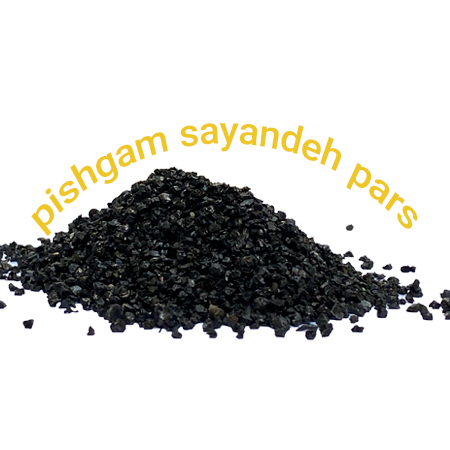
Premium glassy-phase copper slag material for industrial sandblasting and surface preparation, showing angular particles and consistent grain size

High-performance copper slag material - ISO 11126-4 certified for industrial surface preparation and sandblasting applications

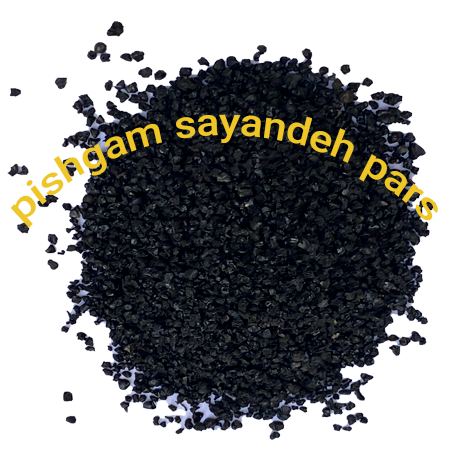
Glassy copper slag product top view showing angular particles and consistent grain size distribution for industrial sandblasting applications

High-performance copper slag material - ISO 11126-4 certified for industrial surface preparation and sandblasting applications

Demonstration video showing copper slag glassy abrasive performance and application

How to Use Glassy-Phase Copper Slag in Sandblasting

1. Why is surface preparation important?

Surface preparation is critical before applying protective coatings. The removal of oil, rust, coatings, and contaminants ensures proper adhesion and longevity of the applied layer. Among various methods, abrasive blasting remains the most effective and widely adopted.

2. How is emery sand used in sandblasting?

By using high-density emery sand, metallic surfaces can be prepared to SA 2½ grade per Swedish standards. The abrasive is propelled via nozzle with compressed air, efficiently removing oxidation and debris to deliver a clean, profiled surface.

3. Is emery sand suitable for all metal surfaces?

Yes. While suitable for most metals, it's ideally used in open or industrial environments. It's proven especially effective in oil and gas pipelines and structural steel applications.

4. Key advantages of emery sand over other abrasives

  • Lower cost and reduced CO2 emissions during production
  • Efficient removal of rust and mill scale
  • Low dust generation with less than 1% free silica

5. Emery sand recycling process

  1. Collect used media with industrial vacuums
  2. Filter out dust and contaminants
  3. Sort by grain size and reuse clean particles
  4. Mix fine and coarse grains for consistent performance
  5. Perform quality control before reuse

Keep abrasive dry and uncontaminated to extend its usability.

6. Essential safety measures during use

  • Use sandblasting helmets with air filters
  • Wear filtered masks and goggles
  • Use protective suits and gloves
  • Ensure proper ventilation at worksite

7. Consumption rate per square meter

Usage varies by surface hardness:
– Soft steel: ~10 kg/m²
– Harder steel: 25–30 kg/m²
– In marine environments, especially when used for repainting and coating replacement on steel docks and offshore structures, the consumption may increase significantly due to working conditions and abrasive loss, reaching up to 60–70 kg/m².

8. Does it produce harmful dust?

No. It has <1% free silica, meeting SSPC-AB1 Category A. With proper ventilation and filtration, risks such as silicosis are minimized.

9. Storage & preservation tips

  • Store in cool, dry locations
  • Protect packaging from damage
  • Avoid contamination and chemical exposure
  • Keep away from direct sunlight

11. Benefits for marine and shipbuilding industries

  • Low moisture absorption
  • Extends service life of equipment
  • Excellent surface preparation and coating adhesion
  • Minimized health risks due to low silica content
  • Environmentally safe and sustainable

How to Use Glassy-Phase Copper Slag in Sandblasting

1. Why is surface preparation important?

Surface preparation is critical before applying protective coatings. The removal of oil, rust, coatings, and contaminants ensures proper adhesion and longevity of the applied layer. Among various methods, abrasive blasting remains the most effective and widely adopted.

2. How is copper slag used in sandblasting?

By using high-density copper slag, metallic surfaces can be prepared to SA 2½ grade per Swedish standards. The abrasive is propelled via nozzle with compressed air, efficiently removing oxidation and debris to deliver a clean, profiled surface.

3. Is copper slag suitable for all metal surfaces?

Yes. While suitable for most metals, it's ideally used in open or industrial environments. It's proven especially effective in oil and gas pipelines and structural steel applications.

4. Key advantages of copper slag over other abrasives

  • Lower cost and reduced CO2 emissions during production
  • Efficient removal of rust and mill scale
  • Low dust generation with less than 1% free silica

5. Copper slag recycling process

  1. Collect used media with industrial vacuums
  2. Filter out dust and contaminants
  3. Sort by grain size and reuse clean particles
  4. Mix fine and coarse grains for consistent performance
  5. Perform quality control before reuse

Keep abrasive dry and uncontaminated to extend its usability.

6. Essential safety measures during use

  • Use sandblasting helmets with air filters
  • Wear filtered masks and goggles
  • Use protective suits and gloves
  • Ensure proper ventilation at worksite

7. Consumption rate per square meter

Usage varies by surface hardness:
– Soft steel: ~10 kg/m²
– Harder steel: 25–30 kg/m²
– In marine environments, especially when used for repainting and coating replacement on steel docks and offshore structures, the consumption may increase significantly due to working conditions and abrasive loss, reaching up to 60–70 kg/m².

8. Does it produce harmful dust?

No. It has <1% free silica, meeting SSPC-AB1 Category A. With proper ventilation and filtration, risks such as silicosis are minimized.

9. Storage & preservation tips

  • Store in cool, dry locations
  • Protect packaging from damage
  • Avoid contamination and chemical exposure
  • Keep away from direct sunlight

11. Benefits for marine and shipbuilding industries

  • Low moisture absorption
  • Extends service life of equipment
  • Excellent surface preparation and coating adhesion
  • Minimized health risks due to low silica content
  • Environmentally safe and sustainable

Different Grains of Copper Slag

Copper slag is produced in various sizes, and each type is suitable for specific applications.

Grain Size (mm)ApplicationSurface Profile (microns)Best For
0.0–0.3Sweep blasting and delicate surfacesUp to 10Precision cleaning, concrete enhancement
0.5–1.68Weld joints in gas pipelines40Pipeline preparation, precision welding
0.5–2Coating removal in gas pipelines80Heavy coating removal, industrial cleaning
1–2Most surface preparation projects100General industrial applications
0.5–3Industrial surfaces and metal structures150Heavy industrial cleaning
2–3Deep rust removal and heavily contaminated surfaces180Marine applications, severe corrosion

Copper Slag Packaging

Copper slag is available in various packaging options to meet the needs of different industries.

Industrial packaging of copper slag in 2.5-ton Jumbo Bag, MegaBag model
Copper slag packaging in 2.5-ton Jumbo Bag (MegaBag model)

Copper Slag Packaging – 2.5-Ton Jumbo Bag

The 2.5-ton Jumbo Bag (MegaBag model) is the most efficient, reliable, and cost-effective packaging option for copper slag. It is the top recommendation by Pishgam Sayandeh Pars Company for large-scale industrial surface preparation projects due to its high loading capacity and reduced handling requirements.

Copper slag packaging in 40kg bags, MegaPack model
Copper slag packaging in 40kg bags (MegaPack model)

Copper Slag Packaging – 40kg Bags

Copper slag is also offered in 40kg bags, known as the MegaPack model. These bags are often placed inside 1-ton jumbo bags for easier transportation and handling. Although this packaging method increases the product's unit cost slightly, it provides flexibility for job sites with limited equipment or restricted access.

Order High-Performance Copper Slag

Competitive pricing • Certified quality • Nationwide shipping

Request a Quote or Consultation

Glassy-Phase Copper Slag vs Other Abrasives: Comprehensive Comparison

The table below highlights key differences between glassy-phase copper slag and other commonly used abrasives. This comparison helps ensure an informed, optimal selection for industrial blasting operations. Our ISO 11126-4 certified copper slag offers superior performance with 1% free silica content.

Abrasive TypeHardness
(Mohs)
Cleaning SpeedRecyclabilityDust LevelSurface Damage
Glassy Copper Slag6High 🚀Medium ♻️Low ✅Minimal 🛡️
Matte Copper Slag6High 🚀Medium ♻️Medium ⚠️Low 🛡️
Garnet7Very High 🔥High ✅♻️Very Low ✅✅Very Low 🛡️🛡️
Silica Sand5Medium ⚡Very Low ❌High ⚠️⚠️Medium ⚠️

Standard Methods for Using Glassy-Phase Copper Slag

The use of glassy-phase copper slag in industries such as shipbuilding, refineries, and industrial painting requires adherence to specific standards. Below are the best practices and usage parameters.

🛠 Proper Blasting Methods and Valid Standards

Glassy-phase copper slag is used for metal surface cleaning based on international standards like SSPC and NACE. Depending on the project scope, required surface roughness and cleanliness levels vary.

  • ✔️ SSPC-SP 5: For white metal blasting (fully cleaned surface)
  • ✔️ NACE 1: For complete rust and contamination removal
  • ✔️ SSPC-SP 10: For near-white blasting in heavy-duty projects

📏 Copper Slag Consumption Based on Surface Type

The consumption rate varies significantly based on surface condition, coating thickness, and blasting pressure. Below are typical consumption rates for different surface types:

Surface TypeConsumption (kg/m²)Surface Profile (microns)
Lightly Rusted Steel15 – 2025 – 40
Medium Rusted Steel20 – 2540 – 60
Heavily Rusted Steel25 – 3060 – 80
Painted Surfaces18 – 2230 – 50
Marine Environments60 – 7080 – 100
Note: Consumption rates may vary based on equipment efficiency, operator skill, and environmental conditions. Always test on a small area first.

⚙ Recommended Compressor Pressure for Blasting

Proper pressure settings are crucial for optimal performance and surface preparation quality. The following recommendations are based on industry standards and best practices:

Type of WorkRecommended Pressure (PSI)Nozzle Size (mm)Application
Sandblasting Delicate Surfaces70 – 906 – 8Thin coatings, sensitive substrates
Heavy Industrial Sandblasting90 – 1108 – 10General industrial applications
Paint & Rust Removal (Deep)110 – 13010 – 12Heavy rust, thick coatings
Marine & Offshore100 – 12010 – 12Ship hulls, offshore structures
Pipeline Preparation85 – 1058 – 10Oil & gas pipelines
Safety Reminder: Always wear appropriate PPE and ensure proper ventilation when operating at higher pressures.

Industrial Applications Guide: Glassy-Phase Copper Slag

Selecting the appropriate glassy-phase copper slag for each project enhances final quality and reduces time and cost. Below are recommended applications for different industrial sectors:

Oil & Gas Industry
  • Pipeline Cleaning:Glassy-Phase Copper Slag for effective rust removal
  • Storage Tank Preparation: Optimal surface profile for coating adhesion
  • Weld Joint Preparation: Precision cleaning for pipeline welds
Shipbuilding & Marine
  • Hull Preparation: Superior surface cleaning for marine coatings
  • Deck Surface Treatment: Optimal roughness for non-slip coatings
  • Equipment Maintenance: Efficient rust removal and surface prep
Heavy Construction
  • Structural Steel: Bridge and building surface preparation
  • Industrial Equipment: Machinery cleaning and maintenance
  • Infrastructure Projects: Large-scale surface preparation
Specialized Applications
  • Precision Cleaning: Delicate surface treatment
  • Concrete Enhancement: Surface preparation for coatings
  • Automotive Industry: Equipment and facility maintenance

Contact Pishgam Sayandeh Pars for expert guidance on selecting the optimal glassy-phase copper slag for your specific industrial application.

Frequently Asked Questions - Glassy-Phase Copper Slag Abrasive

Glassy-phase copper slag offers several key advantages: 1% free silica content (vs 90%+ in silica sand), ISO 11126-4 certification, superior surface profile control, higher cleaning efficiency, lower dust generation, and better environmental safety. It's specifically engineered for demanding industrial applications.

Consumption rates vary significantly: Soft steel (~10 kg/m²), harder steel (25-30 kg/m²), and marine environments (60-70 kg/m²). Factors include surface hardness, coating thickness, blasting pressure, and environmental conditions. Our technical team can provide specific estimates for your application.

The 1% free silica content significantly reduces health risks compared to traditional silica sand (90%+ free silica). This minimizes the risk of silicosis and other respiratory diseases. However, proper PPE including air-filtered helmets, masks, and ventilation is still essential for worker safety.

We offer multiple packaging options: 2.5-ton jumbo bags (most cost-effective), 1-ton jumbo bags, 40kg bags inside jumbo bags, and bulk shipment (minimum 20-25 tons). Each option is designed for different handling and storage requirements. Contact us for specific packaging recommendations.

Grain size selection depends on your application: 0.0-0.3mm for delicate surfaces, 0.5-1.68mm for pipeline welds, 1-2mm for general surface prep, 2-3mm for heavy rust removal. Our technical team can provide specific recommendations based on your surface type and requirements.

Technical Specifications - Glassy-Phase Copper Slag Abrasive

According to ASTM E1621-21

The chemical composition of the sample, tested by Razi Metallurgical Research Center, under tracking number 1-7718, is presented as follows:

OxideWeight %OxideWeight %
SiO₂32.34Al₂O₃5.36
MgO1.02Na₂O0.71
TiO₂0.39CaO0.82
K₂O1.12SO₃0.39
Fe₂O₃55.74CuO0.74
ZnO1.16MoO₃0.21
L.O.I0.0--

According to ISO 11126-10 (2017), SSPC AB1 (2019)

Test NameTest ResultReference StandardStandard Range
Conductivity of Aqueous Extract116.6 mS/cmISO 11127-6 (2022)< 1000
Moisture< 0.1%ISO 11127-5 (2020)< 0.5%
Density3.46 ± 0.05 g/cm³ASTM C 128-2022> 2.5
Indicating OilNilASTM D7393-2016 (Reapproved 2020)Nil
Hardness6 MohsBS EN ISO 11127-4 (2012)6